
Volunteers restoring Whitminster Bridge on the Stroudwater Canal have uncovered two concrete pits believed to date from the Second World War, while major restoration work continues following a multi-million-pound heritage grant.
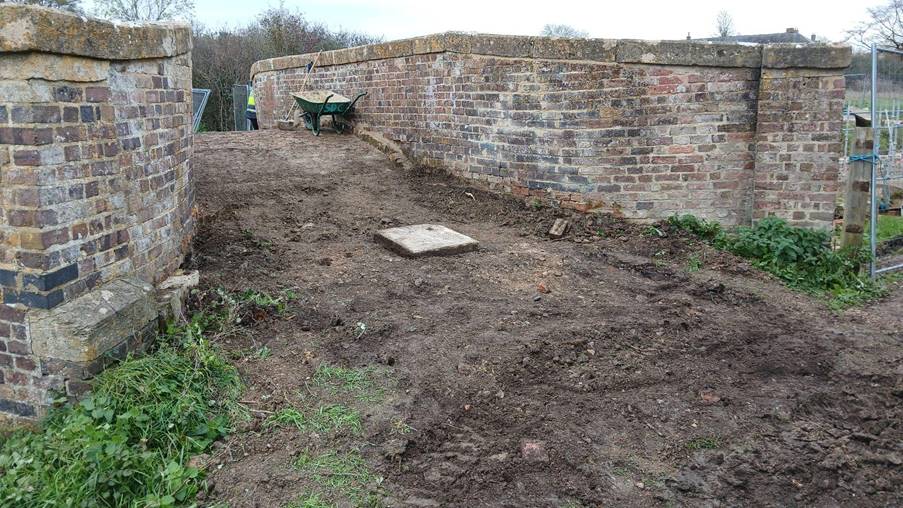
Wartime pits discovered beneath Whitminster Bridge
Volunteers restoring the historic Whitminster Bridge on the Stroudwater Canal have uncovered two mysterious concrete pits believed to date back to the Second World War.
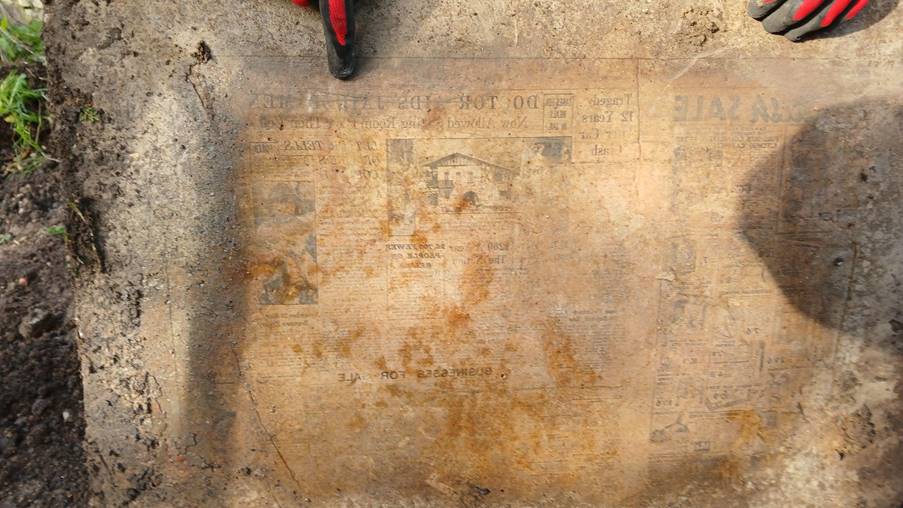
The discovery was made as members of the Cotswold Canals Trust scraped back earth from the bridge’s arch to prepare it for waterproofing. Beneath a 75mm-thick slab, they found a pit around two metres deep. On the underside of the slab was a fragment of the Daily Express dated April 12, 1937, providing an important clue to the age of the structure.
Enjoy more Best of British Magazine reading every month.
Click here to subscribe & save.
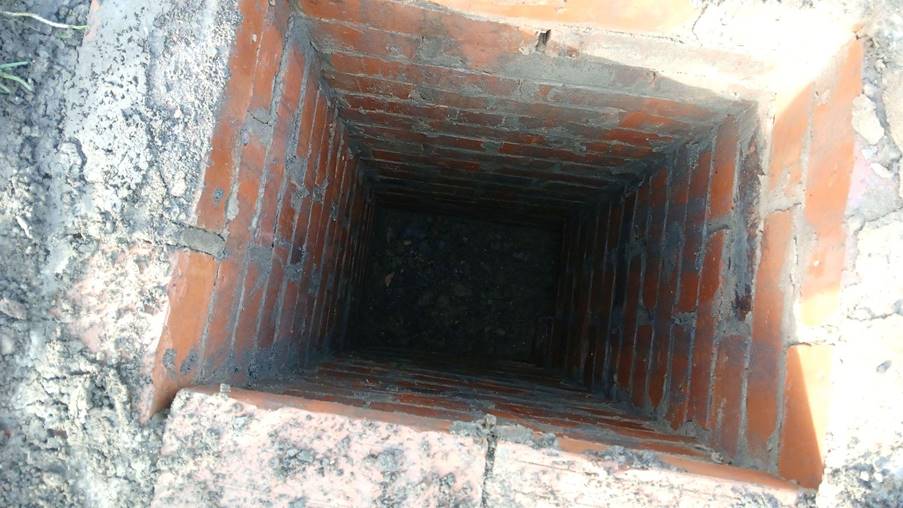
Further excavation revealed a second pit on the opposite side of the bridge, prompting speculation about their purpose.
Possible link to wartime defences
“The pits may have been part of wartime preparations to disable the bridge quickly – either by blocking vehicles with girders or by placing explosives to destroy it,” explained volunteer Richard Attwood and Hugh Conway-Jones, a historian and volunteer who helps compose the Stroudwater History website and archive.
The bridge once stood alongside a Second World War pillbox, of which only the base remains today. It is believed the pits were likely constructed around 1940, coinciding with the creation of Stop Line Green, a defensive line intended to slow enemy advances.
The trust has invited the public to share theories about the pits’ purpose, adding further interest to the unexpected discovery.
Major restoration work continues along the Stroudwater Navigation
The discovery comes as restoration of the Stroudwater Navigation between Stonehouse and Saul continues, following the announcement that the trust has received a £6.46 million grant from the National Lottery Heritage Fund.
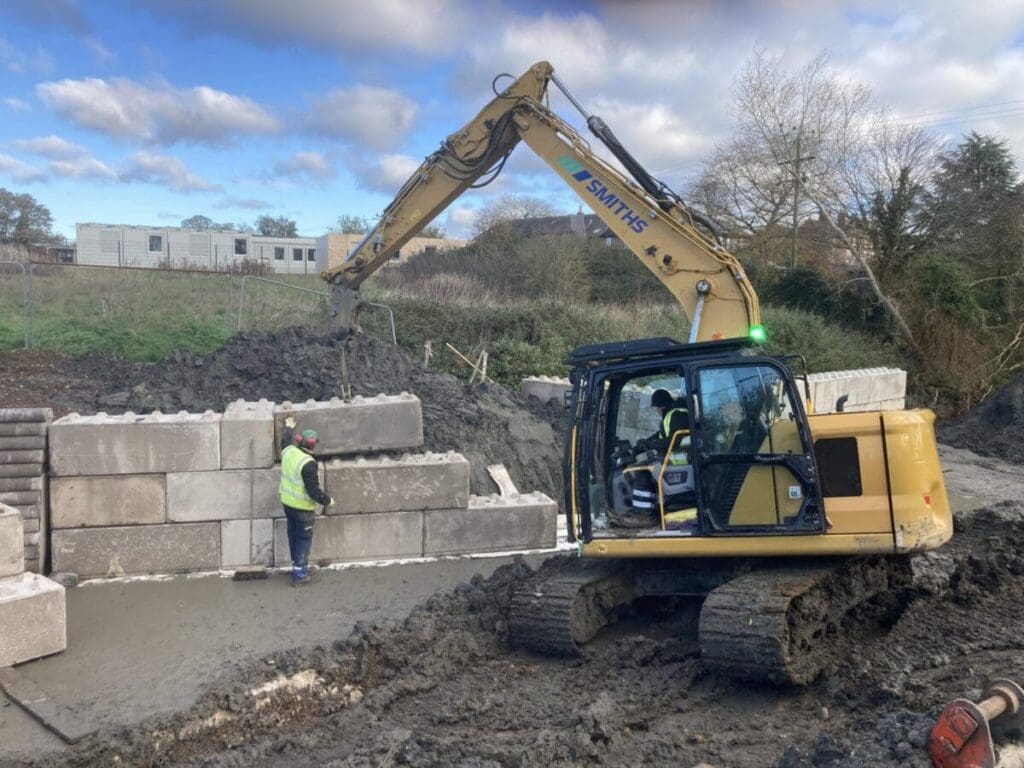
At the Oldbury Brook and Meadow Mill site, the north bank of the canal has been rebuilt using a combination of Legato blocks and clay. The original bank was excavated down to the base of the old canal before a new clay bank was constructed, using approximately 80 lorry-loads of clay. This was compacted using an excavator and, at times, a remote-controlled sheep’s foot roller.
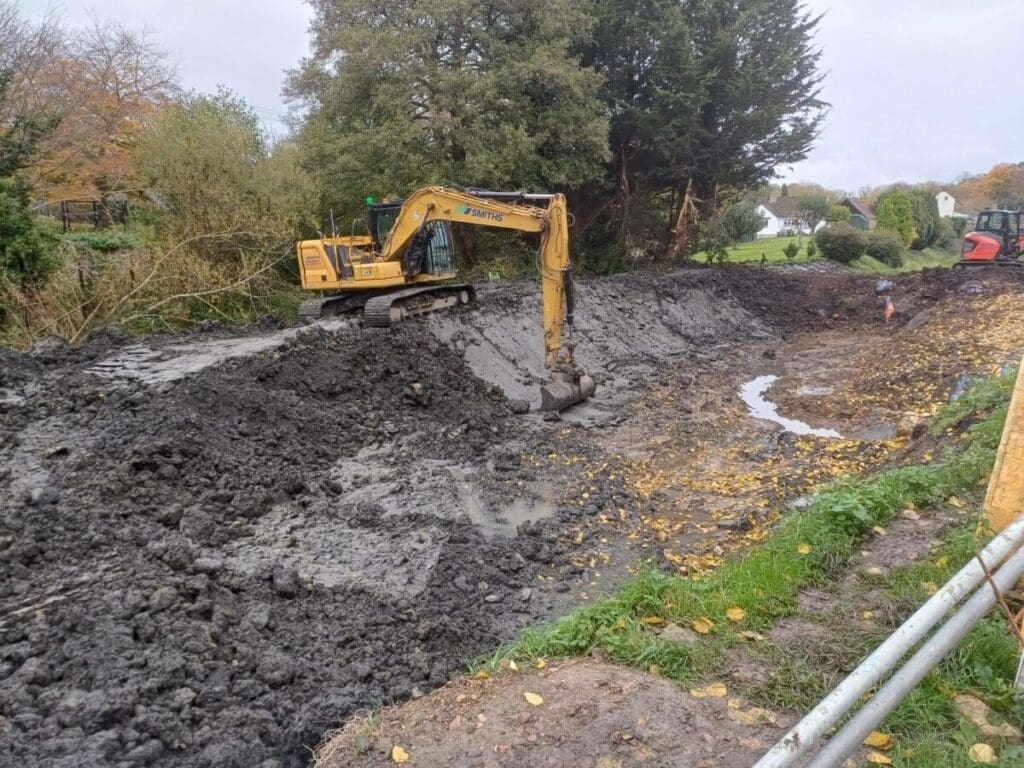
“The new bank was shaped to a roughly 40-degree angle and extended beyond the initial work area to ensure a waterproof seal with the existing canal bank,” said volunteer Andy Timbrell.
Engineering solutions at Meadow Mill
Where the bank needed to be constructed over the Oldbury Brook culvert, protective concrete Legato blocks were used due to space constraints.
“These can be thought of as Lego but on steroids,” said Mr Timbrell. “The blocks varied in size from 1.8 metres long and 600mm high and wide, weighing about 1.5 tonnes, down to 600mm cubes weighing around 0.5 tonnes.”
The blocks were delivered over several days and unloaded using a telehandler, before being moved into position with excavators. Once the base layer was in place, the remaining walls were completed.
Canal reconnection milestone approaching
The team is now focusing on the south bank, where the canal base must be relined with clay and leaks around the Meadow Mill spill weir located and repaired before the temporary bund can be removed.
This will mark the first time since the 1970s that the canal has been connected to John Robinson Lock.
Busy period for the trust
It was a busy end to 2025 for the trust, which also held its annual general meeting, attended by more than 70 members. Chair of trustees David Hagg spoke about recent achievements and future opportunities, while James Trumper presented the accounts. Trustees Matt Lee, John Allan and Nick Rowson were re-elected for new terms, and Aimee Malcolm was thanked for six years of service, including three as a trustee.
